Centrien Insight
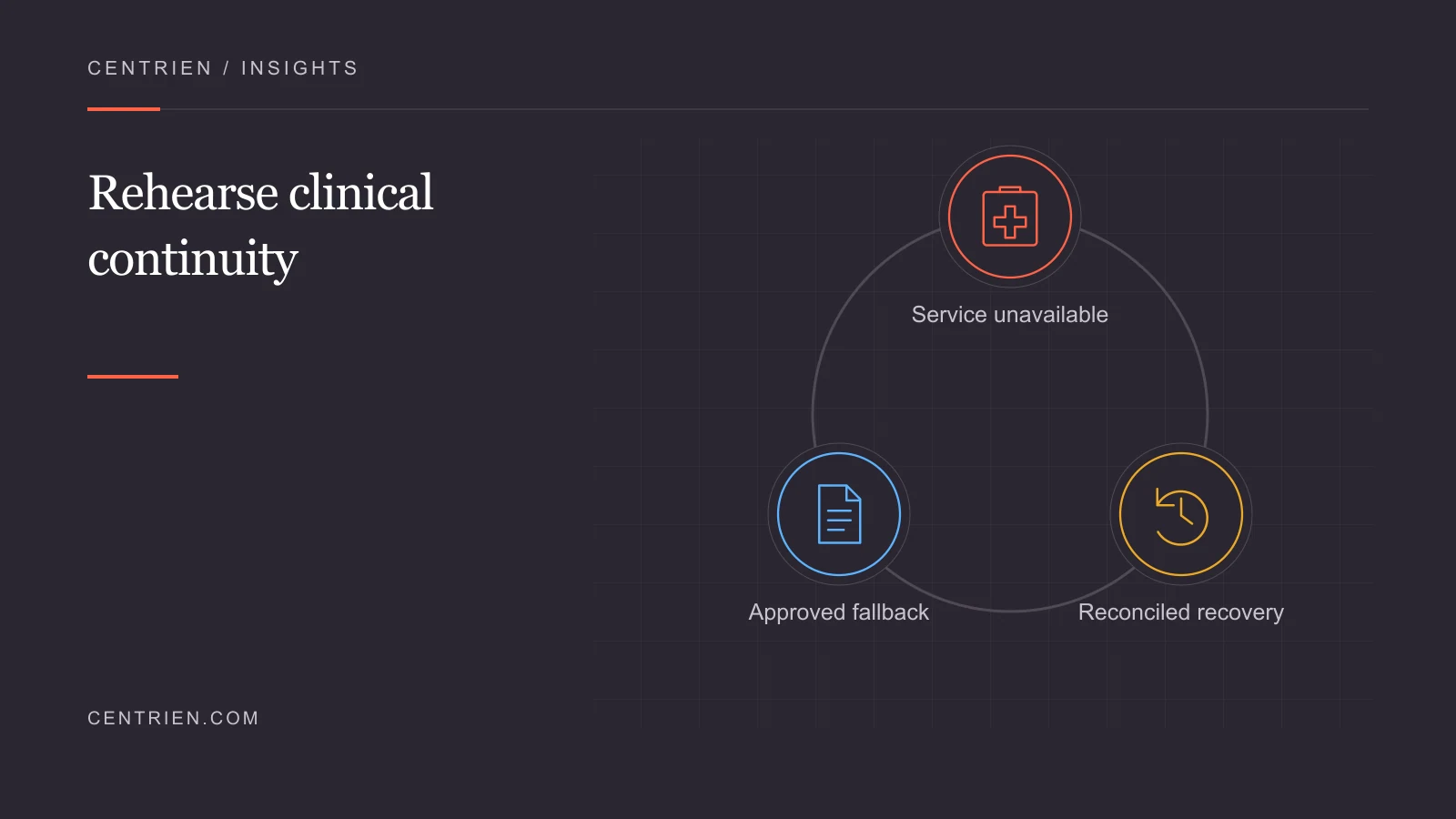
Test how an approved clinical workflow continues and reconciles when a supporting technology service is unavailable.
A clinical downtime drill needs to show how approved care workflows continue when a technology dependency is unavailable. Restoring an application is only one part of that exercise. Plan the drill with the responsible clinical, technical, and safety teams. Define authorized simulation methods, communication, records, and the reconciliation required after restoration. Keep the exercise within approved limits and protect patient information throughout.
Choose a bounded clinical dependency
Select one service and one representative workflow with the clinical owner. A scheduling interruption, for example, has different consequences from unavailable medication information. Describe the people involved, the point where the technology fails, and the approved fallback. HHS contingency-planning guidance connects emergency operation and recovery planning. Use it alongside the organization’s own clinical policies and risk analysis. The exercise is an operational test; it should not create a real interruption to patient care or ask technical staff to make clinical decisions.
Prepare the exercise safely
Use a tabletop or isolated test environment and fictional patient records. Have the clinical lead agree on the injects, expected actions, stop conditions, and escalation route. Verify that participants understand which communications are simulated. Include the teams that handle downstream work, such as scheduling, records management, or the relevant clinical service. Do not infer the correct clinical fallback from an IT runbook: the accountable care team must supply and approve it. Where a workflow cannot be simulated safely, document that limit and select another observation method.
Observe the work between systems
Ask participants to locate the current downtime materials, identify an authorized decision-maker, communicate the service state, and capture work through the approved temporary process. Watch for missing forms, inaccessible contacts, ambiguous record identifiers, and handoffs that depend on the unavailable system. Record timestamps for the exercise stages, but do not let a faster response conceal a quality problem. The question is whether the right people can carry out the defined, approved process and preserve the information needed to recover it.
Reconcile before calling the drill complete
Introduce recovery as a separate stage. Determine which temporary records need entry, validation, deduplication, or follow-up, and who authorizes the return to normal working. A technical green light does not resolve an unknown queue. HHS risk-analysis guidance supports understanding the information and risks in the actual environment; the reconciliation method remains specific to the organization. Give each gap a responsible owner and a retest date. Retain the exercise results in a form the clinical and technology teams can both use.
Put the plan into practice
- Agree on the clinical scenario Clinical leadership defines the fallback, stop conditions, and safe test method.
- Exercise the handoffs Use fictional records to observe temporary work and communications.
- Prove reconciliation Trace the temporary work through the approved recovery and review steps.
| Review area | Useful observation | Accountable role |
|---|---|---|
| Fallback materials | Participants can locate the approved current version | Clinical service owner |
| Temporary record trail | Each test record has an identifiable disposition | Records/process owner |
| Return to service | Clinical and technical recovery decisions are recorded | Joint recovery leads |
Worked example
Illustrative inputs. An illustrative tabletop creates eight fictional scheduling changes during downtime. Seven are reconciled on recovery; the eighth has no accountable disposition. The exercise has identified an open handoff even though the application is available again. Resolve that handoff and repeat the affected part of the drill.
What a useful outcome looks like
The clinical owner should accept the defined exercise outcome, including the reconciliation trail, remaining limits, and corrective actions. A completed drill is a starting point for maintaining the process as services and staff change.
Use the clinical debrief to identify the handoff most likely to delay safe work. Assign a corrective action and verify it in an approved follow-up exercise.
References
Keep reading.
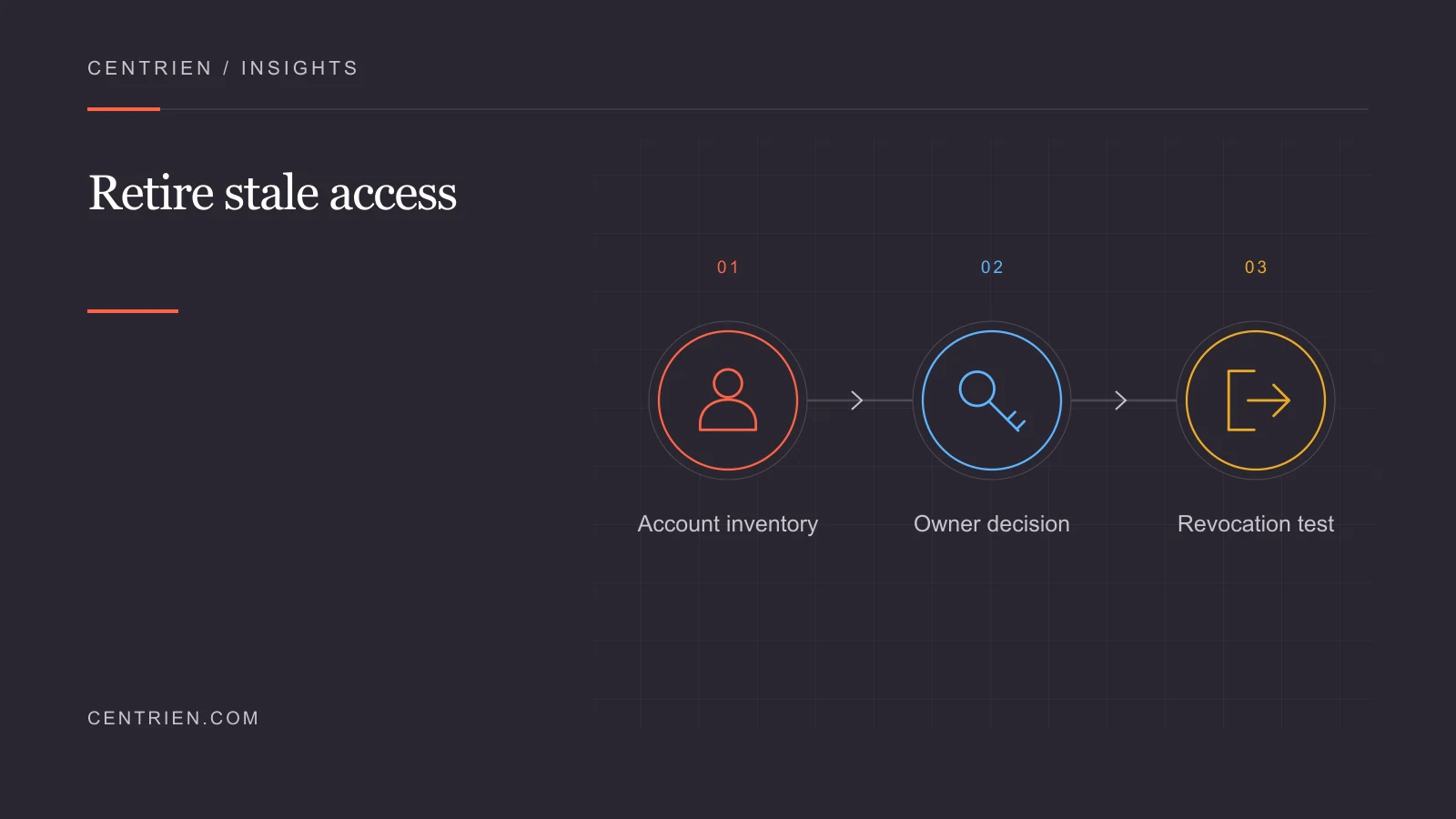
Your Access List Is a Museum. Time to Clean It Out.
An access review needs more than a list of active employees. Supplier accounts, service identities, inherited permissions, and active sessions can preserve access after the original reason has ended.
3 min read →
October 30 market close: Intel plunges, Nasdaq falls 2.86%
Intel falls 28.58% as its outlook weighs on technology. Nasdaq loses 2.86%, energy leads sector gains, and labor-cost data and weekly returns frame the Friday close.
4 min read →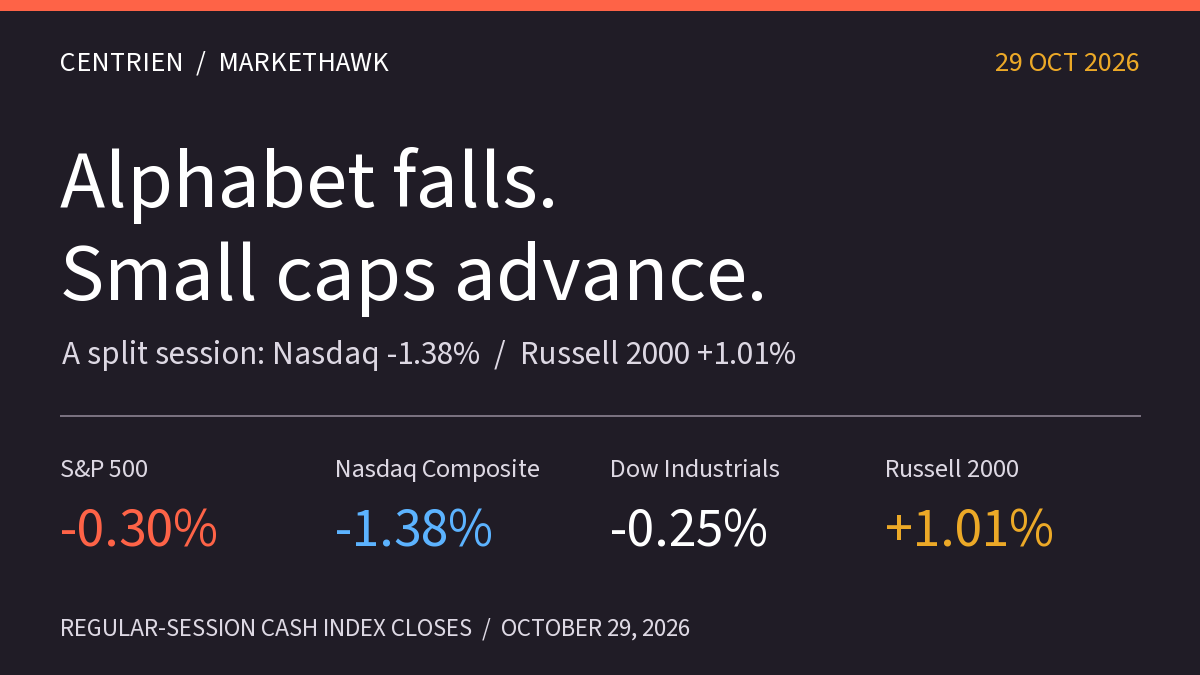
October 29 market close: Alphabet sinks, small caps advance
Alphabet falls 12.64% and the Nasdaq loses 1.38%, while small caps and nine sector ETFs gain. GDP, inflation and Amazon earnings frame a sharply divided session.
4 min read →