Release the heating system on recorded checks
Preparing commercial heating equipment for winter requires attention to safe operation, controls, support, and the site’s operating needs. The work should follow the equipment manufacturer’s requirements and qualified technical judgement.
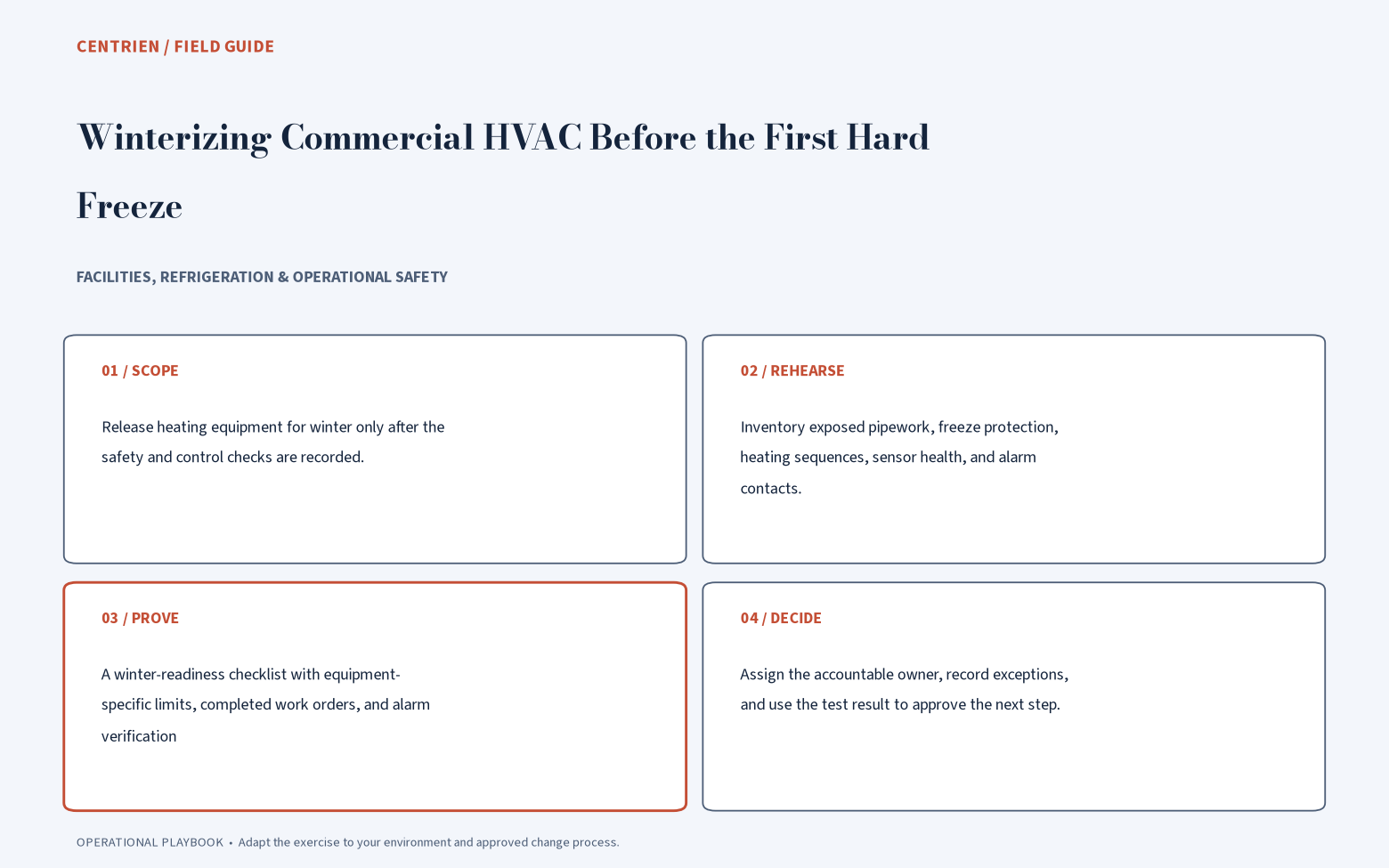
Review service history, known faults, controls, alarms, and the planned maintenance window with the responsible technician. Check that emergency contacts and site access work outside normal hours. Record findings and corrective actions before equipment is released for the season.
Put it into practice
Inventory exposed pipework, freeze protection, heating sequences, sensor health, and alarm contacts. Use the manufacturer’s service instructions and qualified technicians for combustion, electrical, and refrigerant tasks. Test escalation before the first unattended cold period.
Implementation steps
- Establish equipment contextRecord asset identity, operating purpose, manufacturer instructions, service history, sensor condition, and safety or product constraints. Use the relevant professional to set equipment-specific limits.
- Measure comparable conditionsRetain timestamped readings and the conditions that influence them: ambient temperature, occupancy, loading, door openings, operating hours, or defrost state. Check sensor calibration and missing data before diagnosing a trend.
- Test the response pathValidate alarm persistence, delivery, acknowledgement, dispatch, and fallback operation through a supervised exercise. Keep safety functions independent and route electrical, combustion, and refrigerant work to qualified personnel.
- Verify the interventionCompare operation after the maintenance action under similar conditions. Record technician findings and any measurement limitations. Have the responsible authority decide product disposition or safety acceptance where applicable.
Track maintenance verification and alarm-to-action time
| Measure | Calculation or definition | How to use it |
|---|---|---|
| Maintenance verification | Required tasks with recorded inspection or test / tasks due | Use manufacturer and site-specific instructions for task scope. |
| Alarm-to-action time | Qualified response timestamp minus verified alarm start | Separate acknowledgement from an effective intervention. |
| Normalized energy use | Energy consumed / comparable operating exposure | Adjust for conditions before attributing savings to a change. |
Illustrative equipment downtime exposure
Worked example. Figures are illustrative.
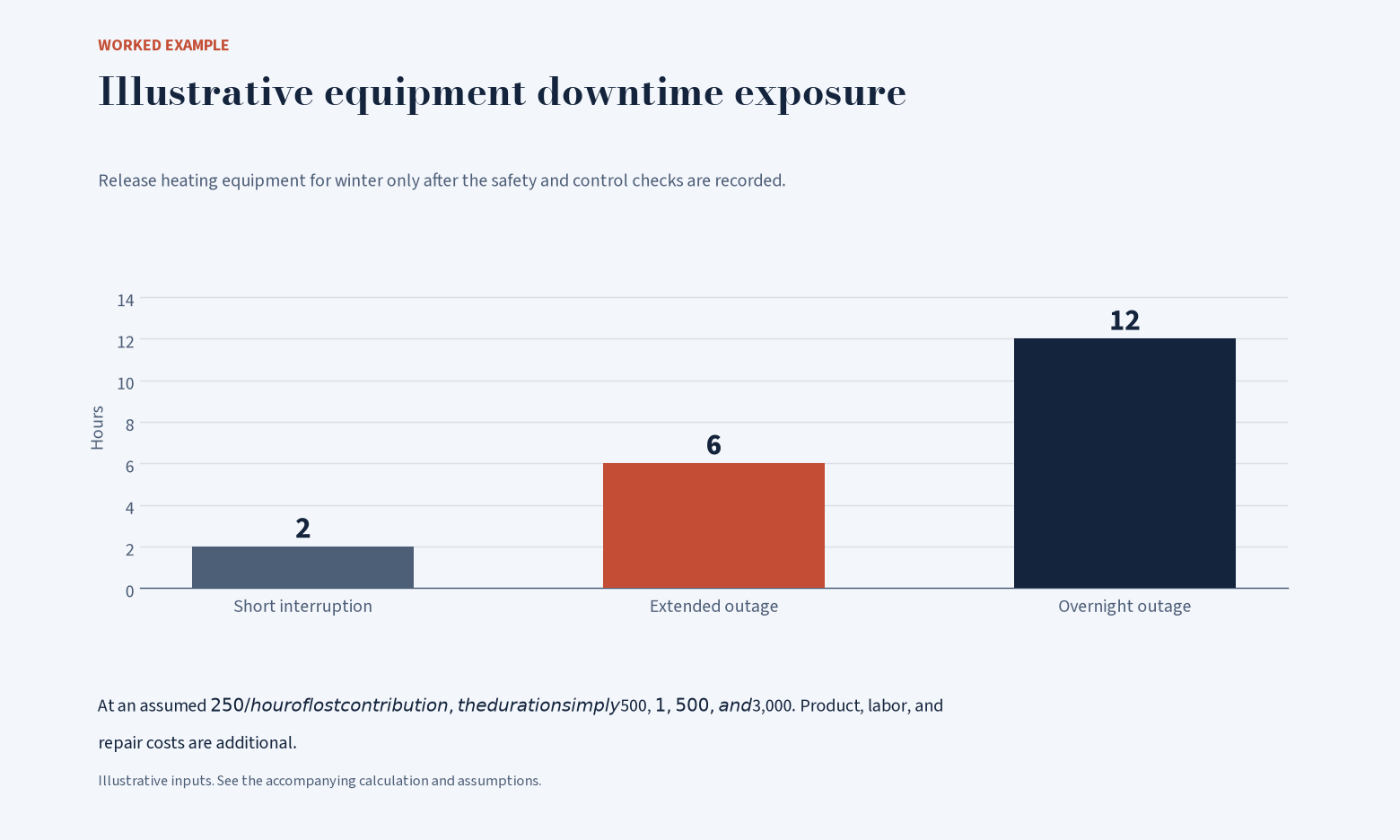
| Observation | Hours |
|---|---|
| Short interruption | 2 |
| Extended outage | 6 |
| Overnight outage | 12 |
Assess product loss, safety, and recovery costs separately from lost contribution.
The record to keep
The deliverable: A winter-readiness checklist with equipment-specific limits, completed work orders, and alarm verification.
Keep outstanding faults in an approved service decision with a clear owner. Confirm the required safety and operating checks after corrective work rather than closing the task when a visit is booked.
References
- U.S. Department of Energy: Operations and Maintenance Best Practices — Use systematic maintenance and measured operating conditions to investigate reliability and efficiency.
- NIST SP 800-82 Rev. 3: Operational Technology Security — Adapt security work to operational technology performance, reliability, and safety requirements.
Keep reading.
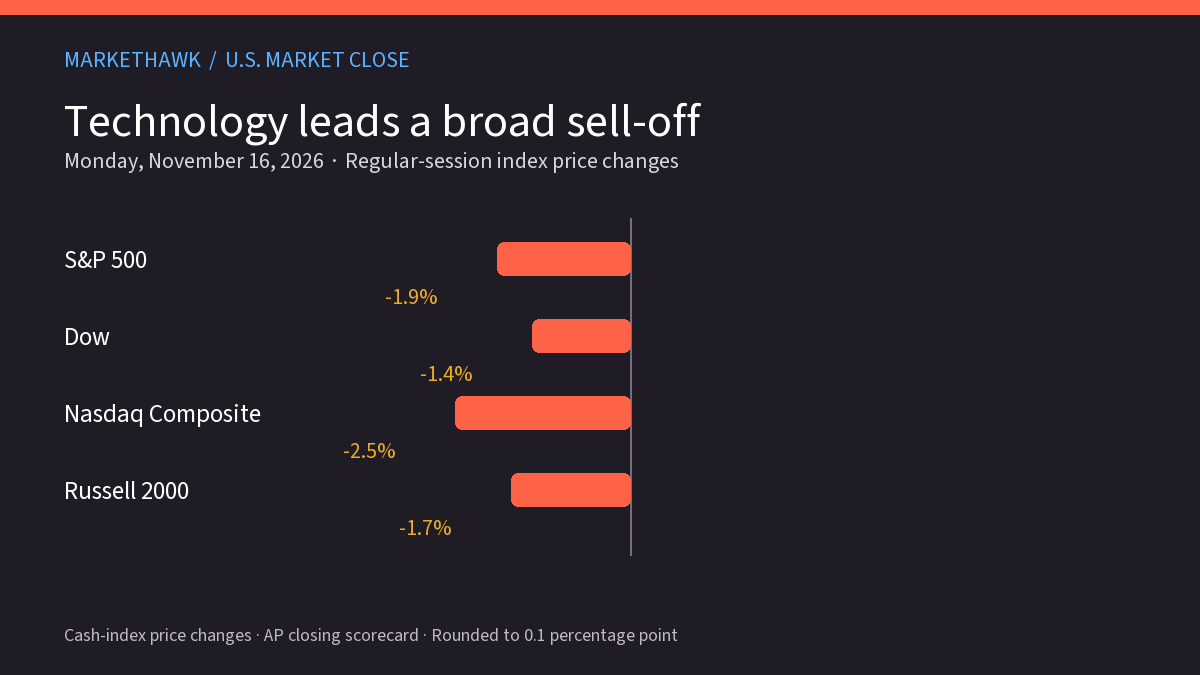
Technology Sell-Off Pulls U.S. Indexes Lower
Technology and chip shares led Monday’s losses. The Nasdaq fell 2.5%, the S&P 500 logged a third straight decline, and investors looked ahead to retail sales and Nvidia results.
4 min read →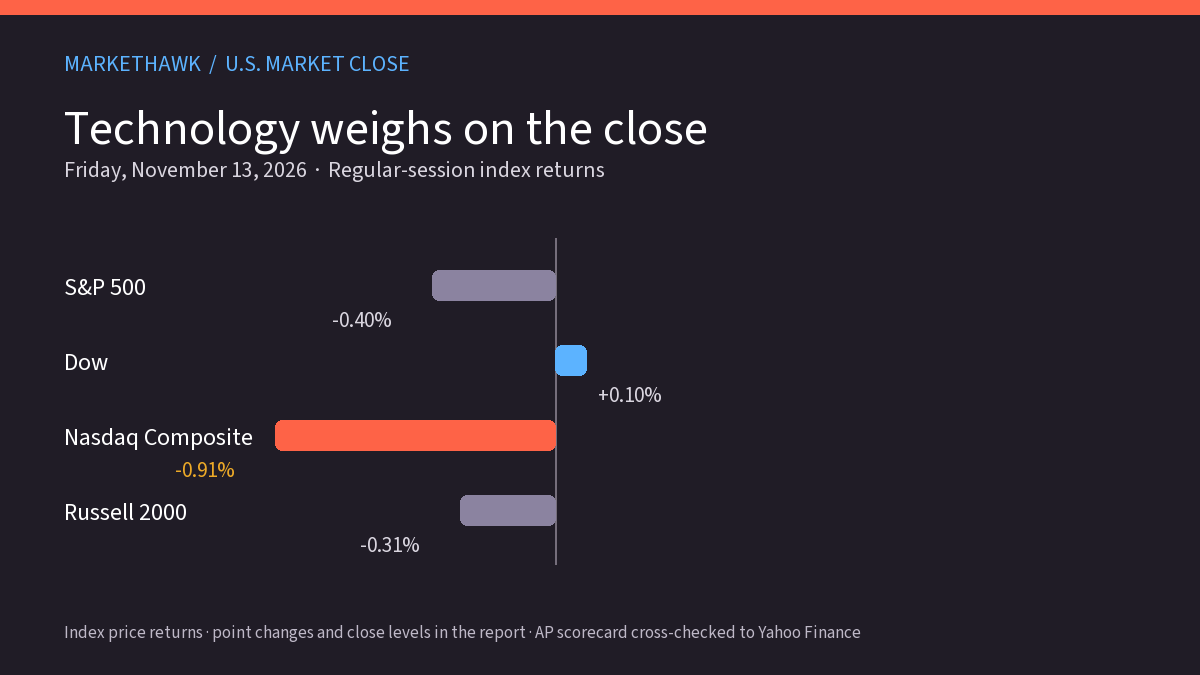
Tech Stocks Weigh on S&P and Nasdaq; Dow Edges Higher
Friday’s close split the major indexes: the Dow rose slightly while technology weakness pulled the S&P 500 and Nasdaq lower. Producer prices cooled monthly but remained elevated year over year.
3 min read →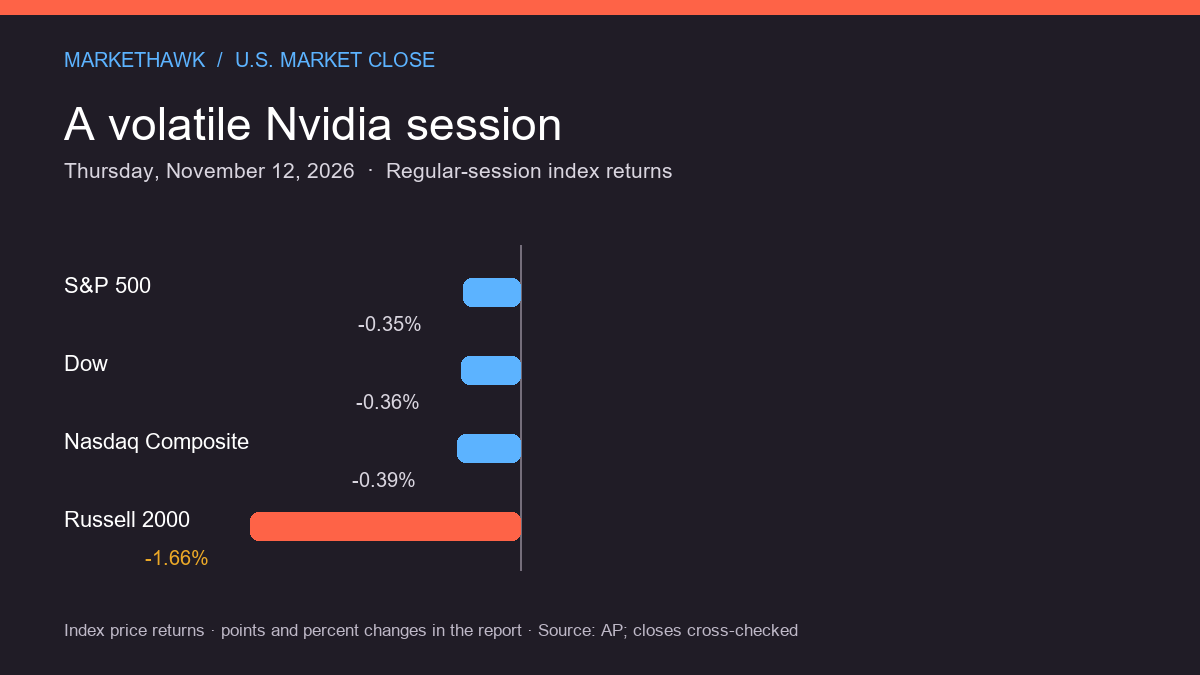
Nvidia’s CEO Exit Jolts Stocks; Oil Rises as Indexes Recover From Early Losses
Nvidia shares plunged after the CEO transition announcement, then pared losses. Energy outperformed, oil rose, and all four major U.S. indexes finished lower.
3 min read →