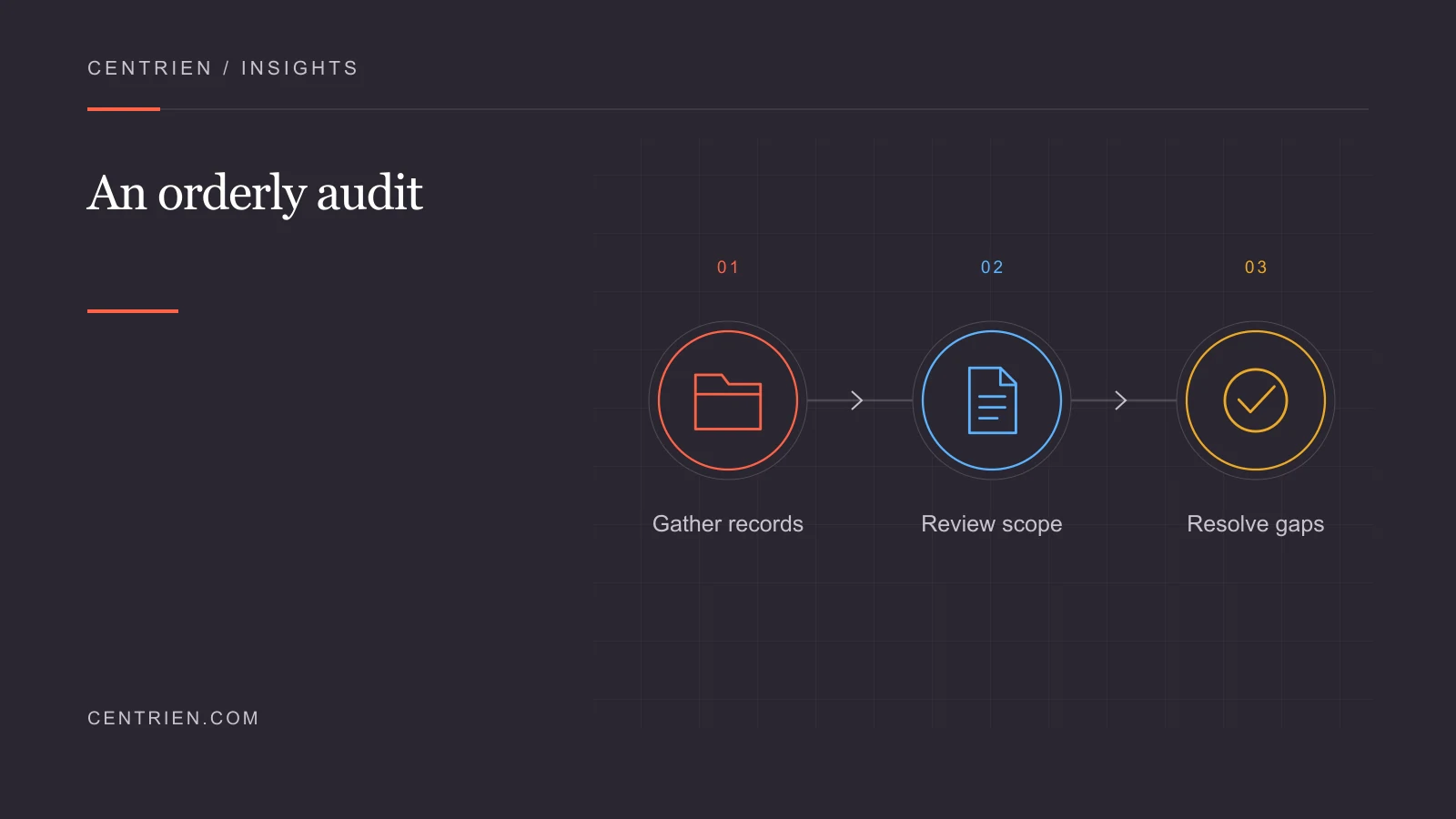
Collect records while the control is operating
An assessment request becomes difficult when the team has to recreate months of activity from scattered emails and screenshots. Keep the records of a control’s operation as part of the work that produces them.
For each in-scope control, define the population, review frequency, responsible person, and retained record. Give missing evidence an owner and a deadline. Before the assessment, sample a completed review and check that the record supports the conclusion rather than merely showing that a meeting took place.
Put it into practice
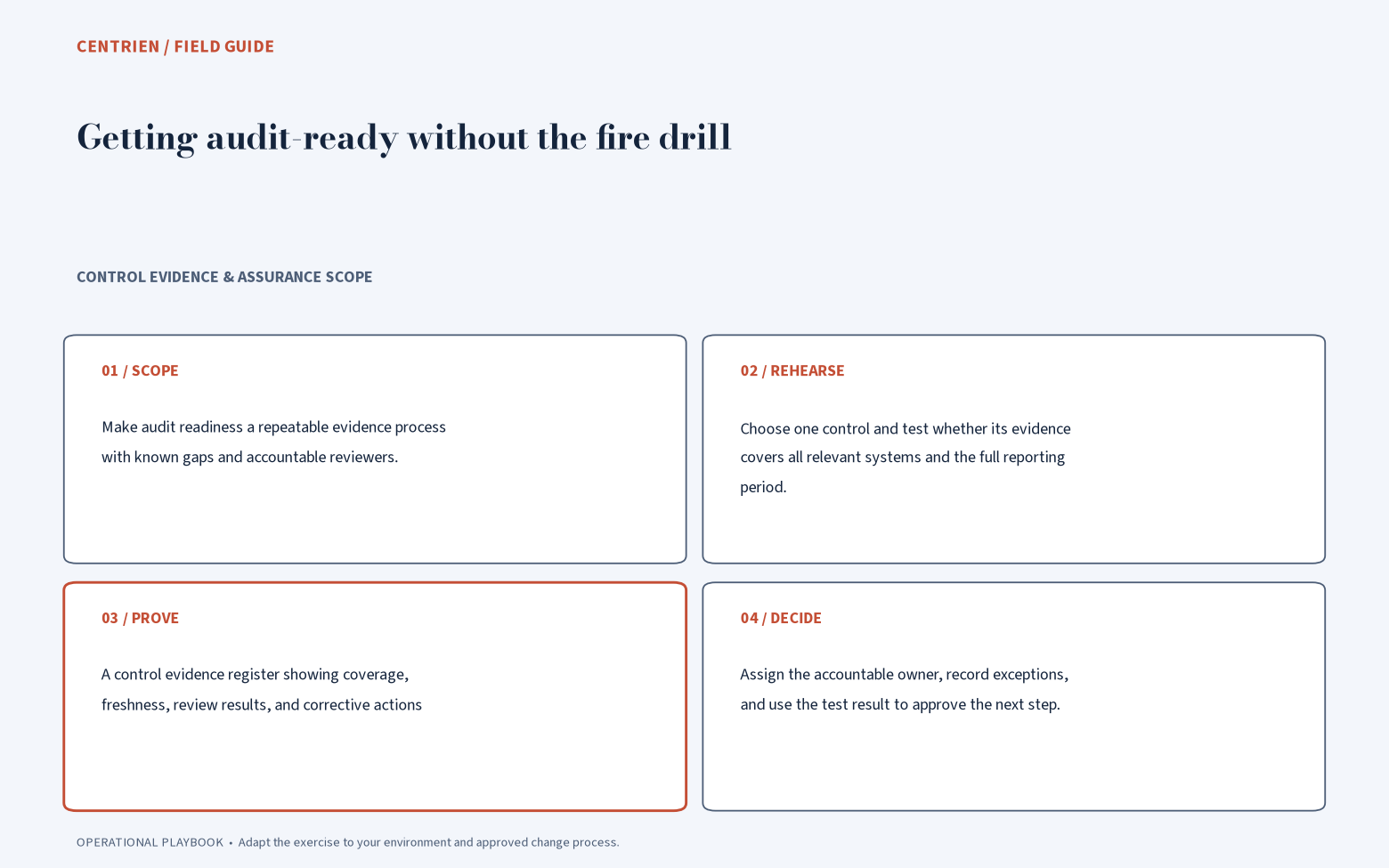
Choose one control and test whether its evidence covers all relevant systems and the full reporting period. Reproduce a review decision from the source record. Track missing evidence separately from controls known to have failed.
Implementation steps
- Read the obligationIdentify the applicable requirement, service boundary, assessment period, and responsible legal entity. Distinguish mandatory obligations from voluntary guidance and contractual expectations.
- Define the control and populationDescribe what the control should achieve, who operates it, how often, and every system or transaction it covers. Document exclusions and why they are justified rather than silently shrinking the sample.
- Retain source evidenceKeep a dated record of the request, approval, execution, and result where applicable. Link reused evidence to each requirement while preserving differences in scope, testing method, and reporting period.
- Review gaps explicitlySeparate missing evidence, known control failures, accepted exceptions, and untested areas. Assign corrective action and a retest. An audit outcome or completed questionnaire does not guarantee future security.
Track population coverage and evidence freshness
| Measure | Calculation or definition | How to use it |
|---|---|---|
| Population coverage | Control items with evidence / total applicable population | Record exclusions and sampling limits alongside the percentage. |
| Evidence freshness | Evidence within the required review period / evidence reviewed | Use the actual obligation or control cadence for the cutoff. |
| Verified remediation | Failed controls retested successfully / failed controls reported fixed | Keep evidence gaps distinct from confirmed control failures. |
Example control evidence: scope matters
Worked example. Figures are illustrative.
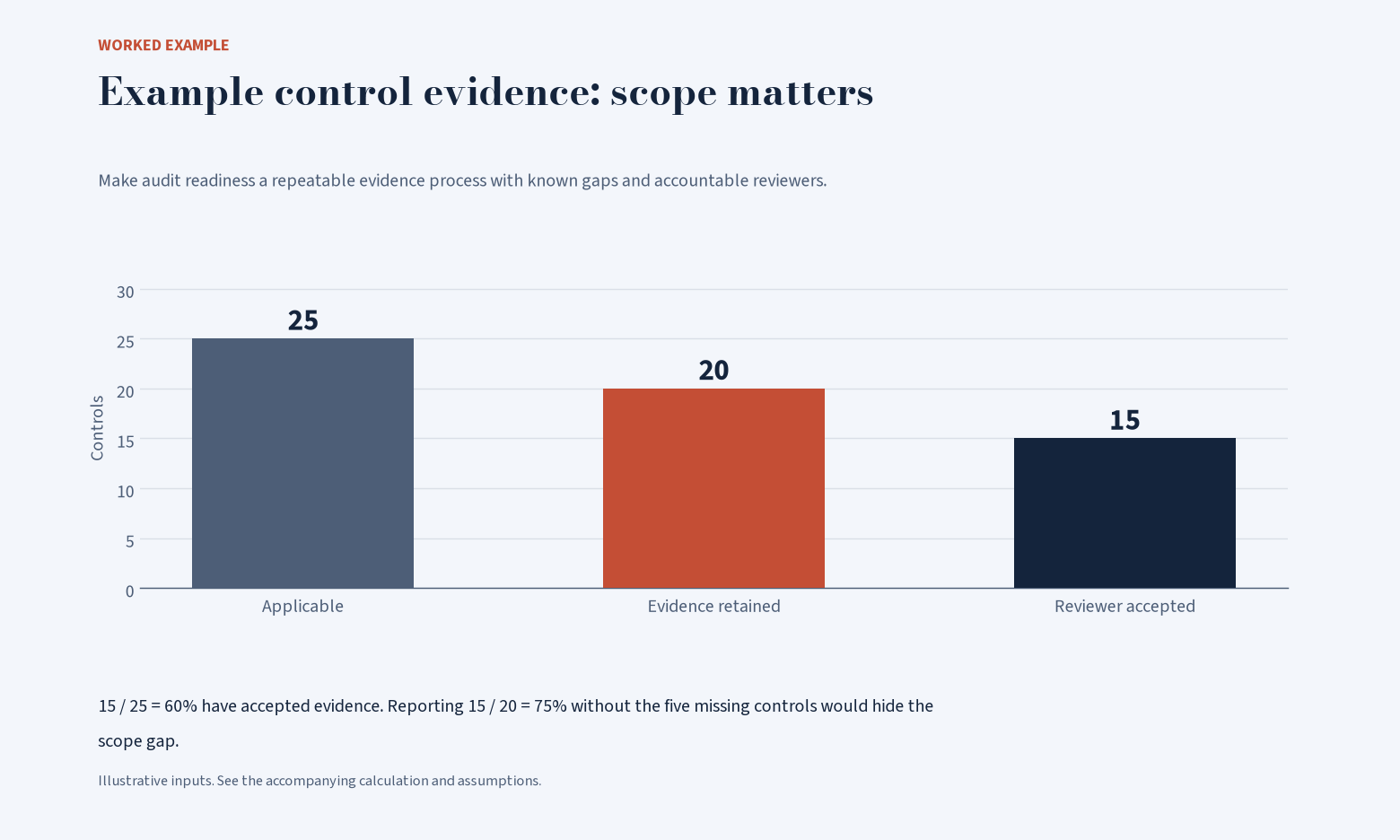
| Observation | Controls |
|---|---|
| Applicable | 25 |
| Evidence retained | 20 |
| Reviewer accepted | 15 |
Keep all applicable controls in the denominator, including those with missing evidence.
The record to keep
The deliverable: A control evidence register showing coverage, freshness, review results, and corrective actions.
Start with the control that caused the most rework at the last assessment. Repair its collection process, test one reporting period, and use the result to plan the next improvement.
References
- NIST Cybersecurity Framework — Use outcomes and organizational context to organize the risk discussion; a framework mapping is not a control test.
- NIST SP 800-218: Secure Software Development Framework — Organize secure development, software protection, vulnerability response, and supplier communication.
Keep reading.
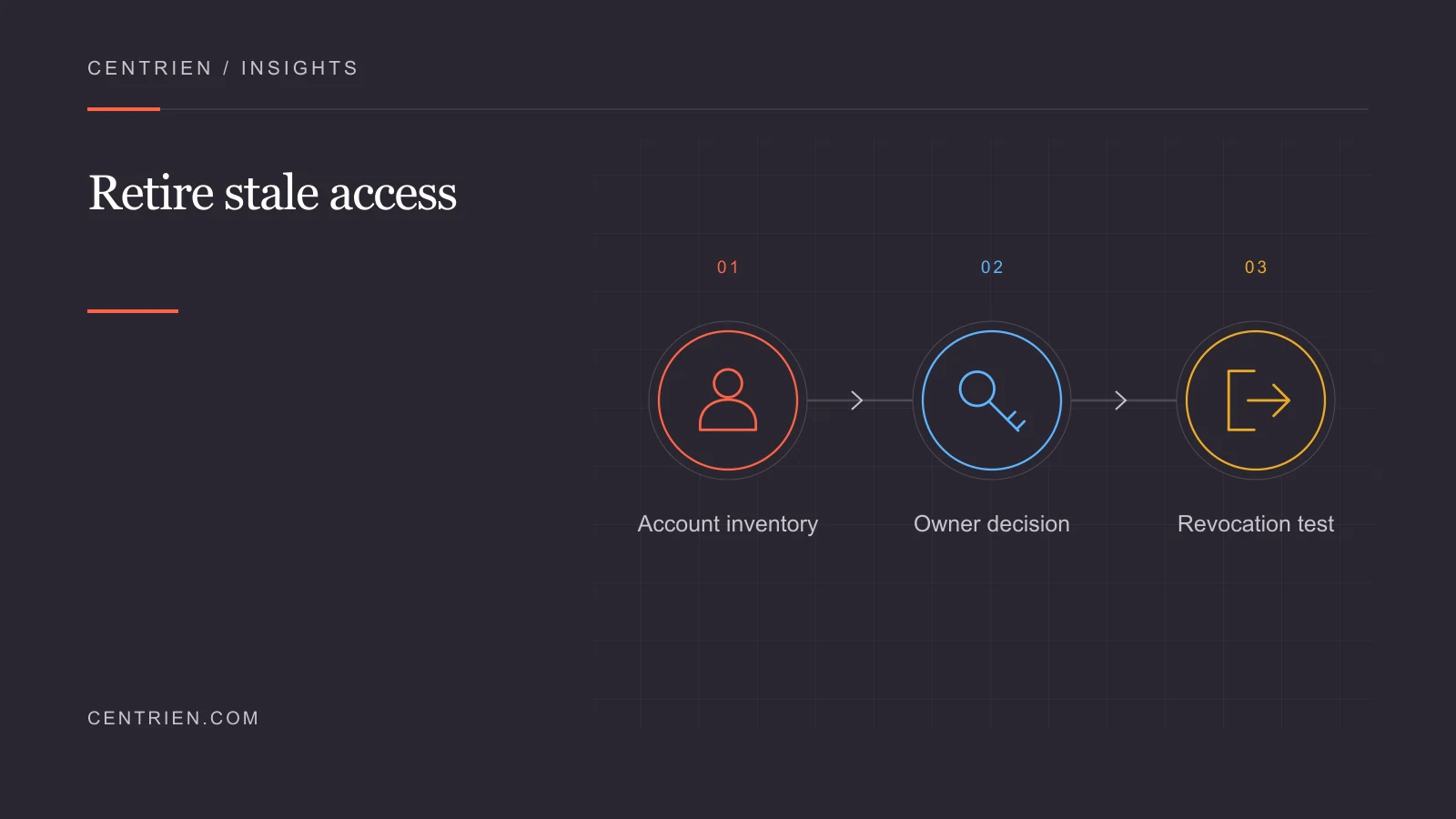
Your Access List Is a Museum. Time to Clean It Out.
An access review needs more than a list of active employees. Supplier accounts, service identities, inherited permissions, and active sessions can preserve access after the original reason has ended.
3 min read →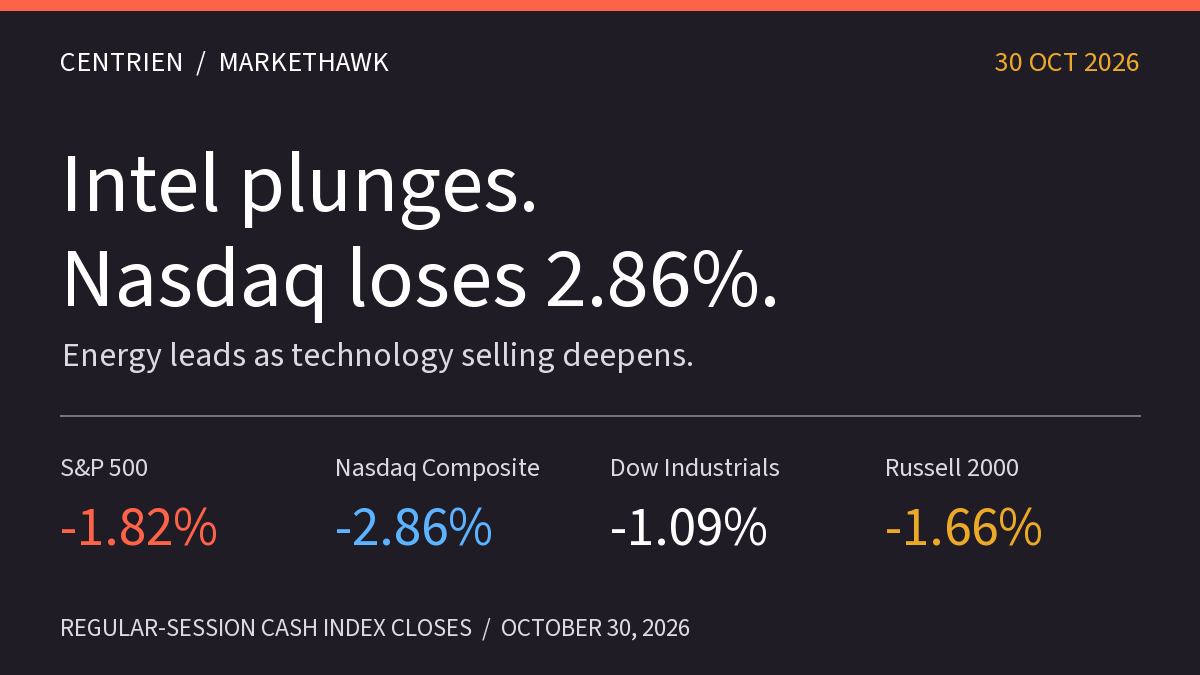
October 30 market close: Intel plunges, Nasdaq falls 2.86%
Intel falls 28.58% as its outlook weighs on technology. Nasdaq loses 2.86%, energy leads sector gains, and labor-cost data and weekly returns frame the Friday close.
4 min read →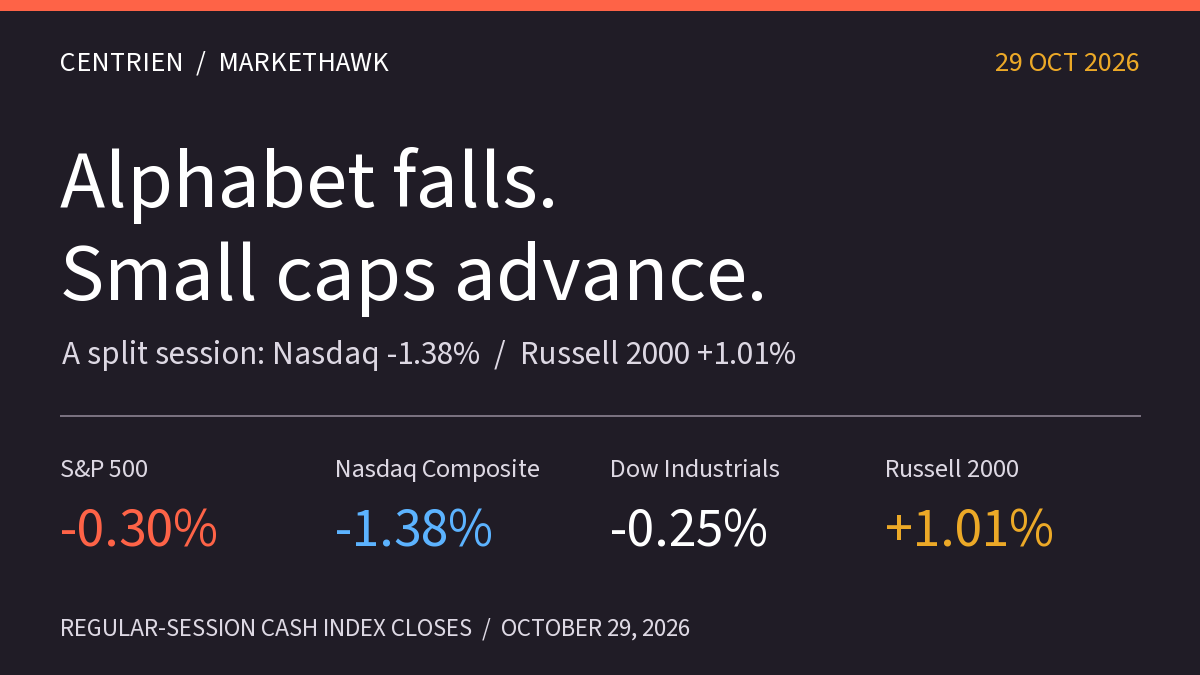
October 29 market close: Alphabet sinks, small caps advance
Alphabet falls 12.64% and the Nasdaq loses 1.38%, while small caps and nine sector ETFs gain. GDP, inflation and Amazon earnings frame a sharply divided session.
4 min read →