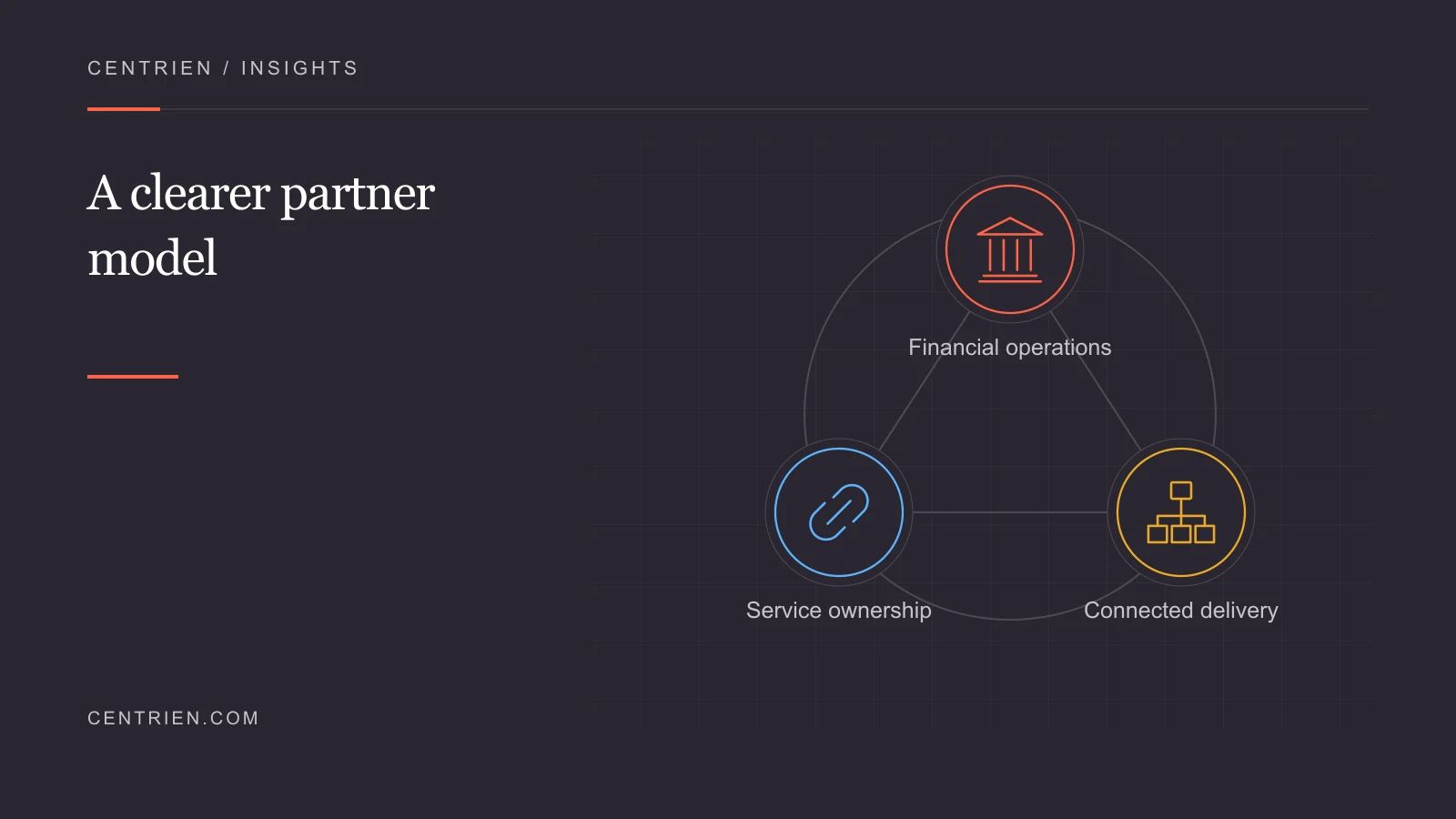
Consolidation changes the dependency as well as the contract
Fewer technology suppliers can simplify support and procurement. They can also place more services behind the same provider, making an outage or difficult exit more consequential.
Compare the work retained by the financial institution under each proposal. Examine service dependencies, subcontractors, access, recovery, and usable data exports. Keep applicable oversight requirements and concentration risk in the decision rather than assuming a smaller supplier list is inherently safer.
Put it into practice
Map critical banking services to suppliers and subcontractors. Compare accountability improvements with the risk of one provider becoming a shared failure point. Rehearse access to records and service recovery if that provider is unavailable.
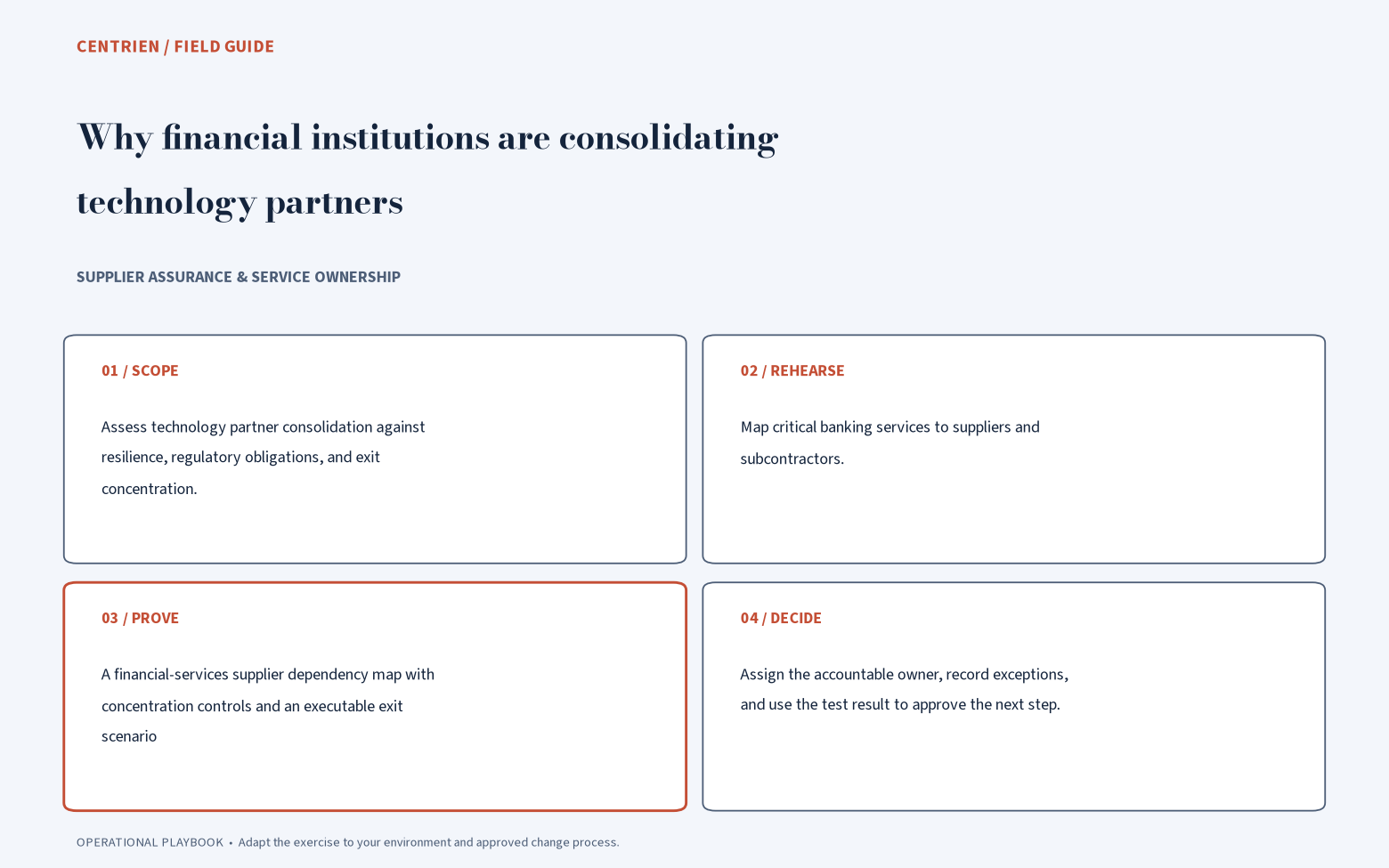
Implementation steps
- Map the dependencyList the business service, supplier access, data handled, subcontractors, and interfaces. Distinguish the provider contract from the responsibilities that remain with the customer.
- Ask for scoped evidenceRead the period, system boundary, exceptions, and customer obligations in assurance material. Use a targeted demonstration or agreed exercise to investigate material gaps without requesting indiscriminate access.
- Rehearse the handoffRun a controlled incident or change across the supplier boundary. Verify acknowledgement, decision authority, data access, restoration responsibilities, and the point where another party must take over.
- Test the exitExport representative data, verify its completeness and usability, and identify replacement dependencies. Record retention and access-removal obligations so an exit plan is more than a termination clause.
Track critical dependency ownership and assurance coverage
| Measure | Calculation or definition | How to use it |
|---|---|---|
| Critical dependency ownership | Critical supplier services with a business owner / critical supplier services | Escalate services whose risk nobody can accept. |
| Assurance coverage | Material supplier scenarios with current evidence / material scenarios reviewed | Separate a missing document from a tested control failure. |
| Exit readiness | Critical data exports successfully reconciled / exports tested | Retest after material format, scope, or service changes. |
Supplier readiness funnel
Worked example. Figures are illustrative.
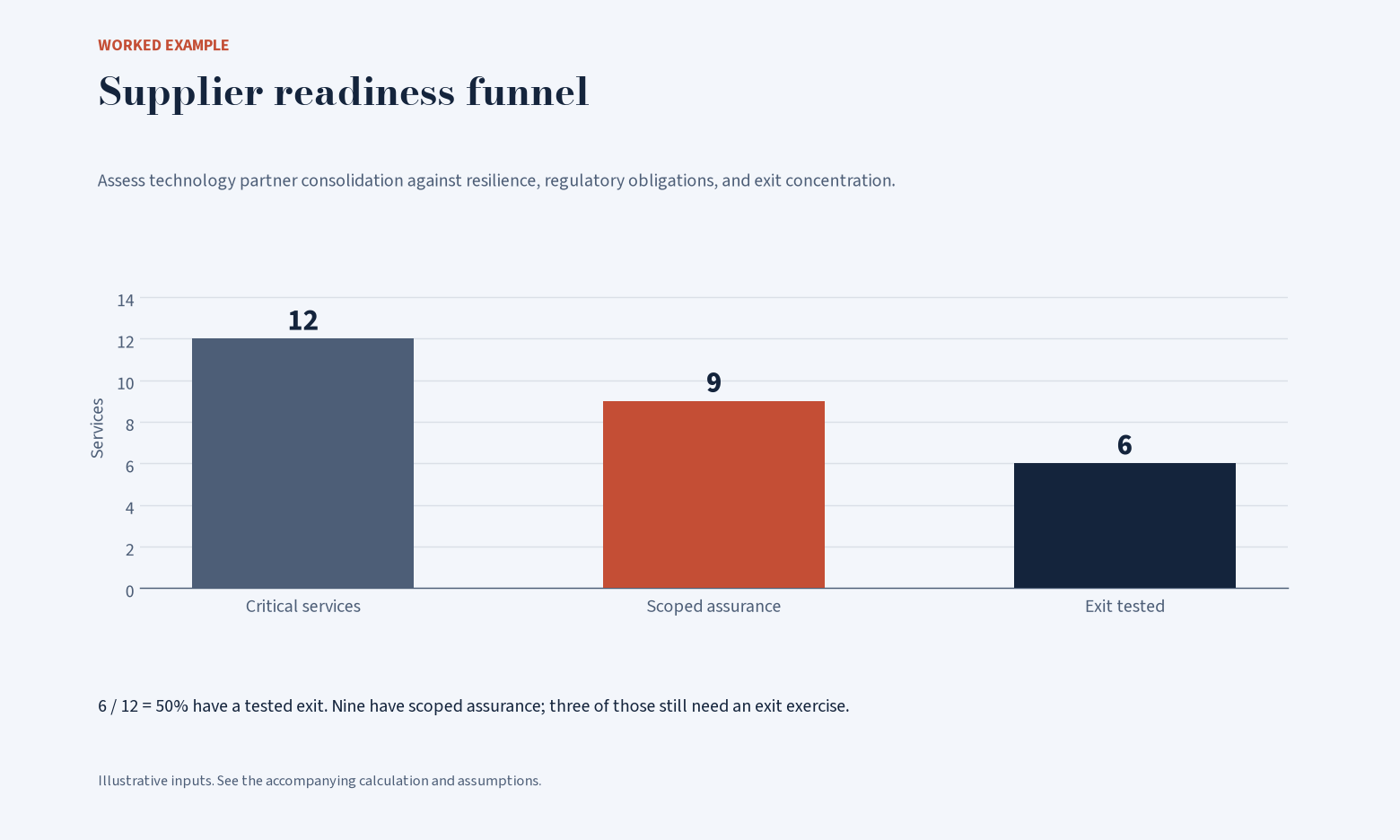
| Observation | Services |
|---|---|
| Critical services | 12 |
| Scoped assurance | 9 |
| Exit tested | 6 |
A contract signature or questionnaire score is not counted as an executed exit test.
The record to keep
The deliverable: A financial-services supplier dependency map with concentration controls and an executable exit scenario.
Before approving consolidation, test a service exit or recovery dependency that would become more important under the new arrangement. Record the capability the institution must retain internally.
References
- NIST Cybersecurity Framework — Use outcomes and organizational context to organize the risk discussion; a framework mapping is not a control test.
- NIST SP 800-34 Rev. 1: Contingency Planning — Use impact analysis, recovery priorities, exercises, and plan maintenance to structure continuity work.
Keep reading.
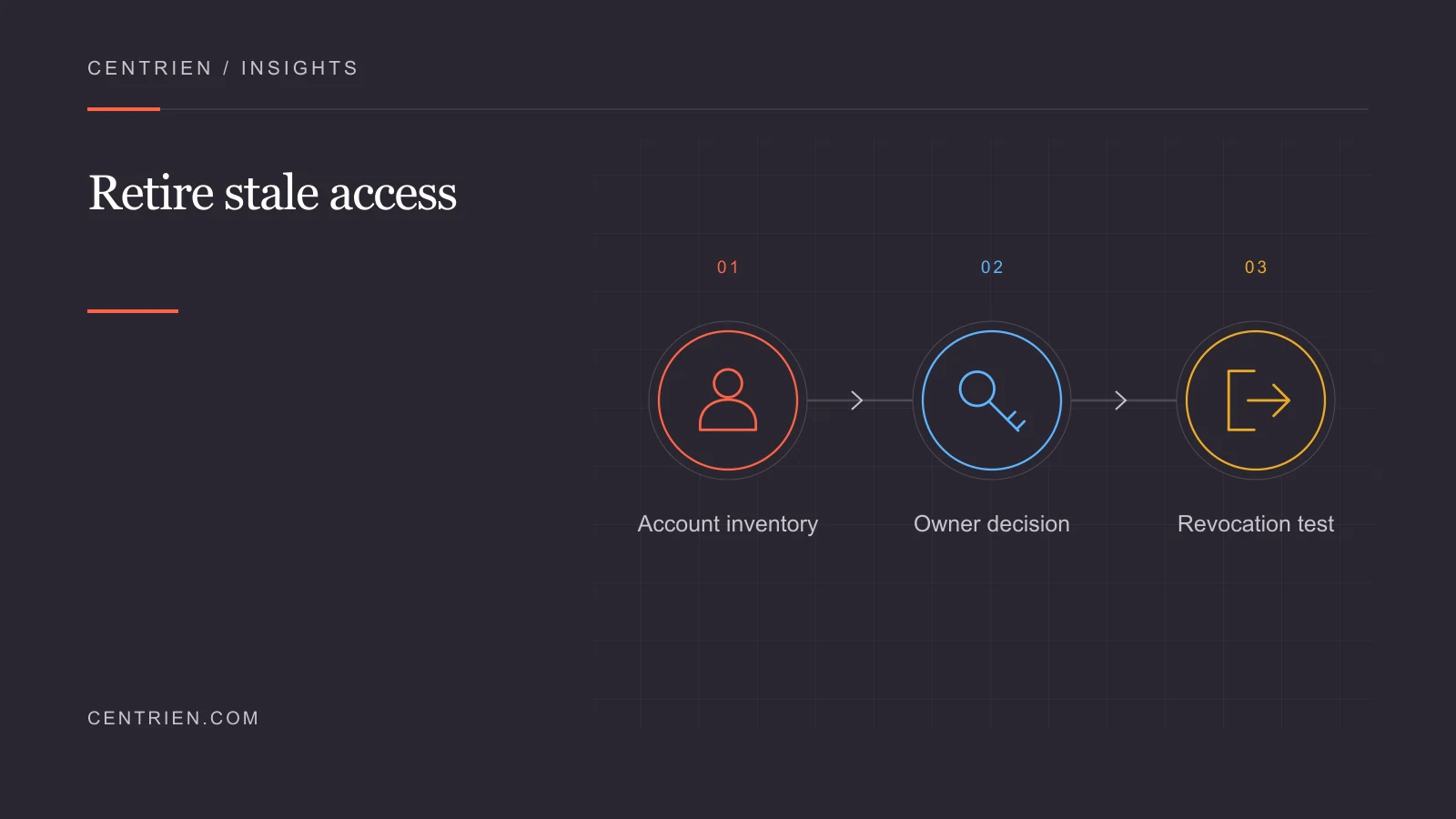
Your Access List Is a Museum. Time to Clean It Out.
An access review needs more than a list of active employees. Supplier accounts, service identities, inherited permissions, and active sessions can preserve access after the original reason has ended.
3 min read →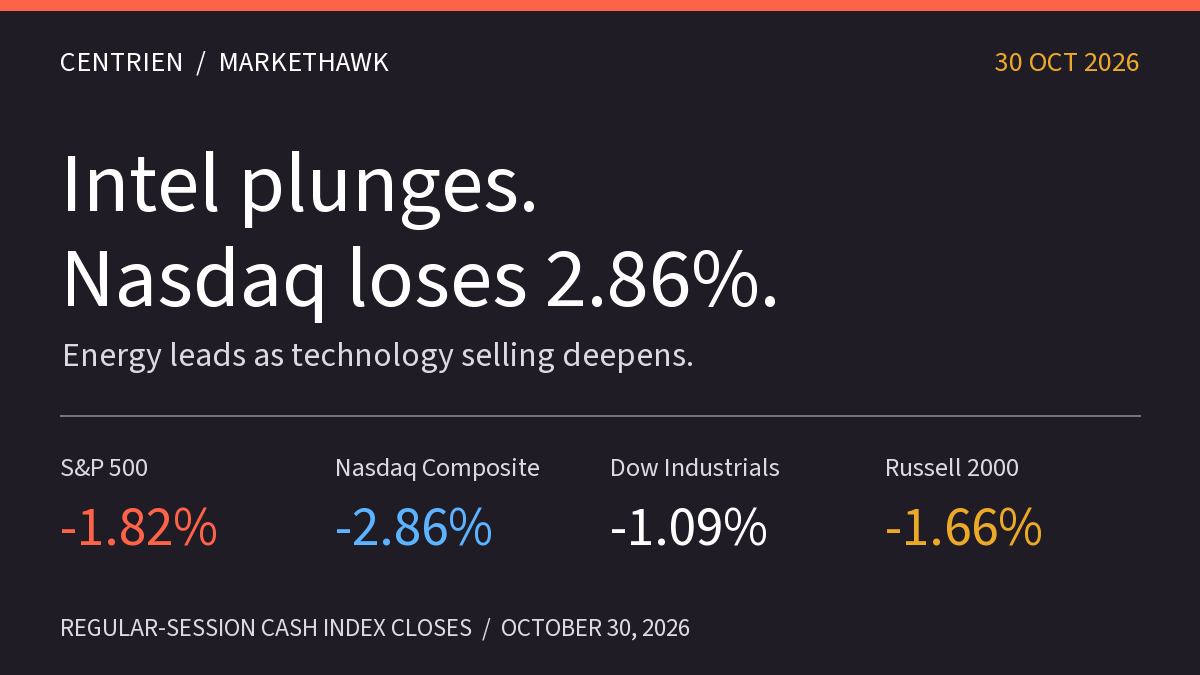
October 30 market close: Intel plunges, Nasdaq falls 2.86%
Intel falls 28.58% as its outlook weighs on technology. Nasdaq loses 2.86%, energy leads sector gains, and labor-cost data and weekly returns frame the Friday close.
4 min read →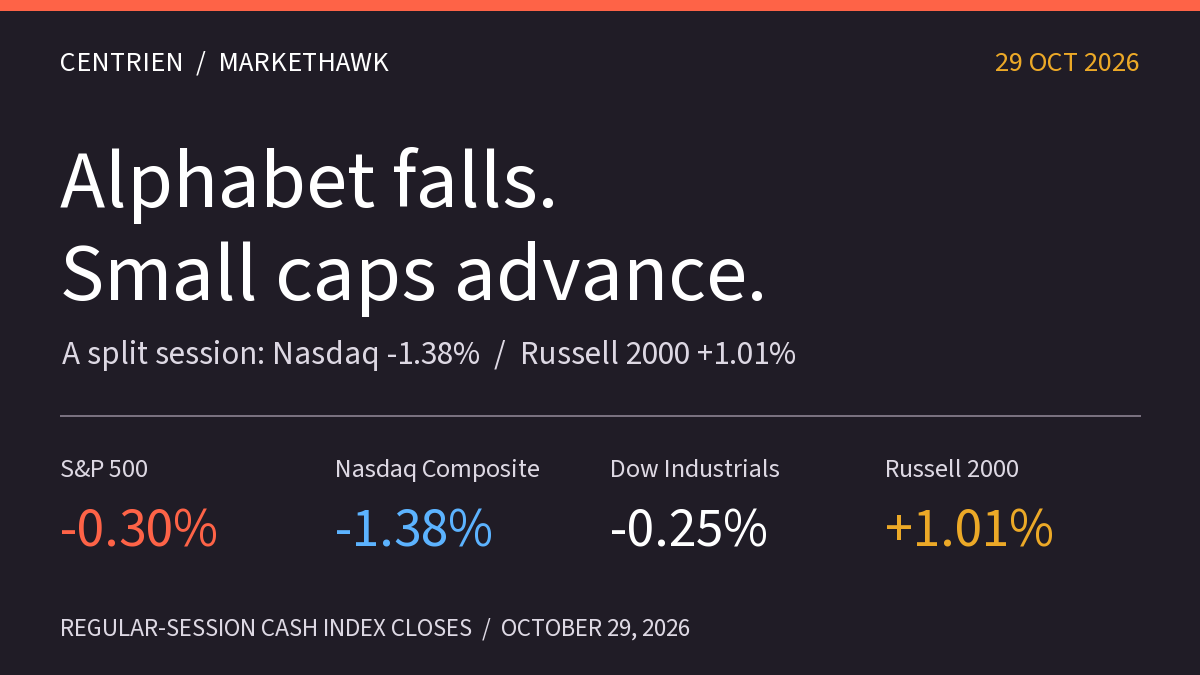
October 29 market close: Alphabet sinks, small caps advance
Alphabet falls 12.64% and the Nasdaq loses 1.38%, while small caps and nine sector ETFs gain. GDP, inflation and Amazon earnings frame a sharply divided session.
4 min read →